
VTrack
Video Analisi per Sorveglianza Automatica
Frutto di oltre 20 anni di ricerca e innovazione, VTrack è la suite più completa e scalabile di moduli software per l’analisi video, progettata e sviluppata per applicazioni di videosorveglianza intelligente, in tempo reale e per analisi forense.
Costantemente allineata allo stato dell’arte scientifico, la piattaforma VTrack integra i più avanzati algoritmi e metodi di Video Analisi potenziati da Intelligenza Artificiale, garantendo le massime prestazioni e comprovata affidabilità.
VTrack
Video Analisi per Sorveglianza Automatica
Frutto di oltre 20 anni di ricerca e innovazione, VTrack è la suite più completa e scalabile di moduli software per l’analisi video, progettata e sviluppata per applicazioni di videosorveglianza intelligente, in tempo reale e per analisi forense.
Costantemente allineata allo stato dell’arte scientifico, la piattaforma VTrack integra i più avanzati algoritmi e metodi di Video Analisi potenziati da Intelligenza Artificiale, garantendo le massime prestazioni e comprovata affidabilità.
Funzioni Disponibili
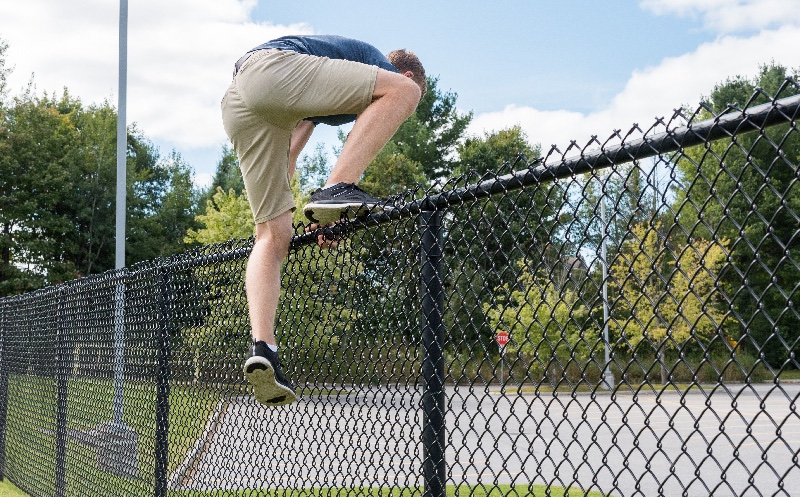
Intrusion
Flow Counting

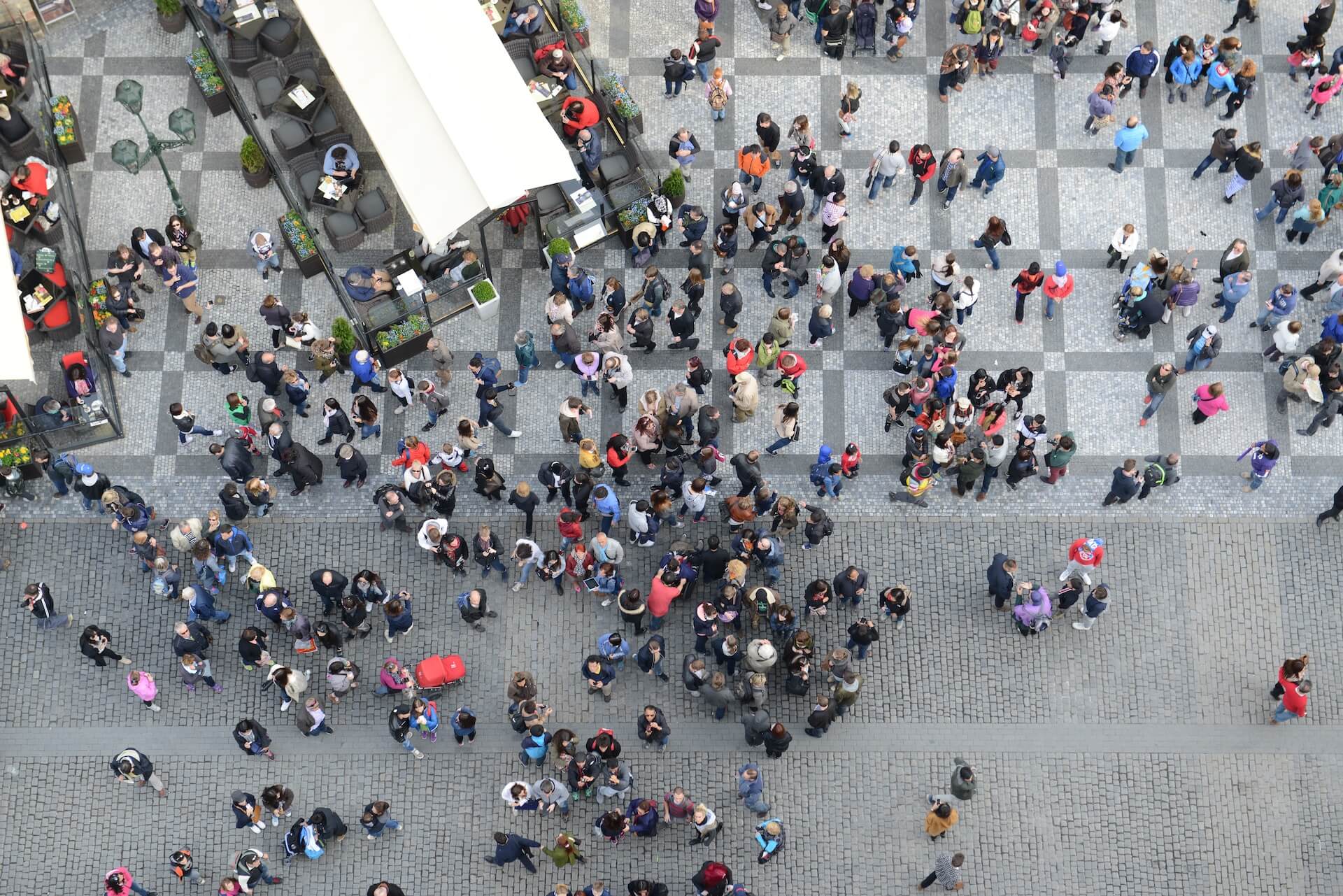
Area Counting

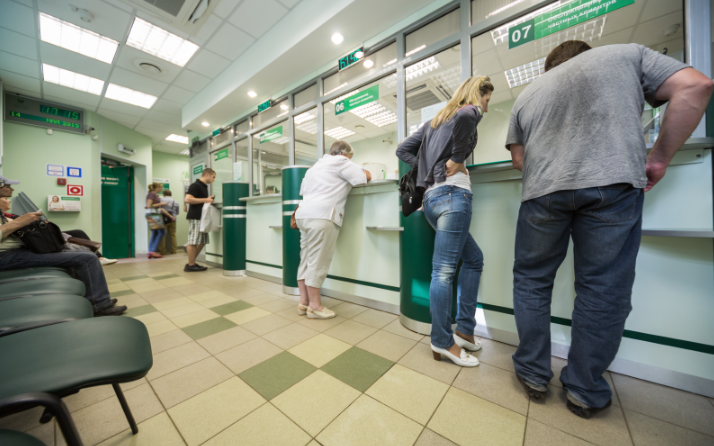
Occupancy Rate

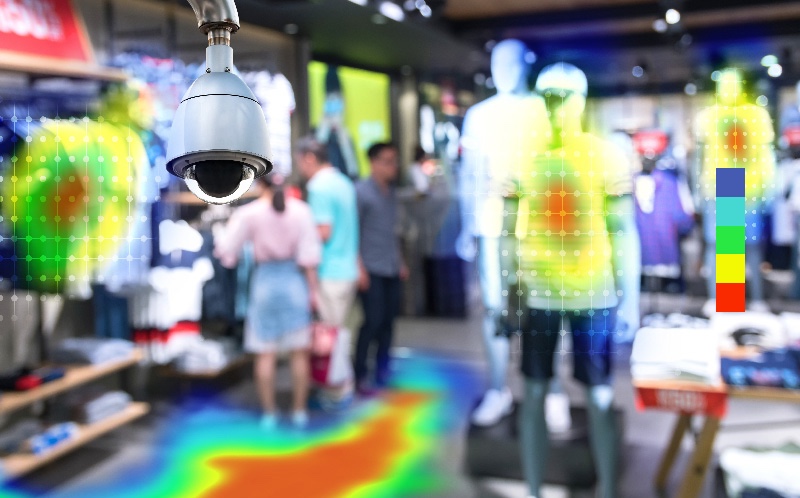
Hot Zones

ATM

Left Object

Stolen Object

Loitering
Panic Disorder

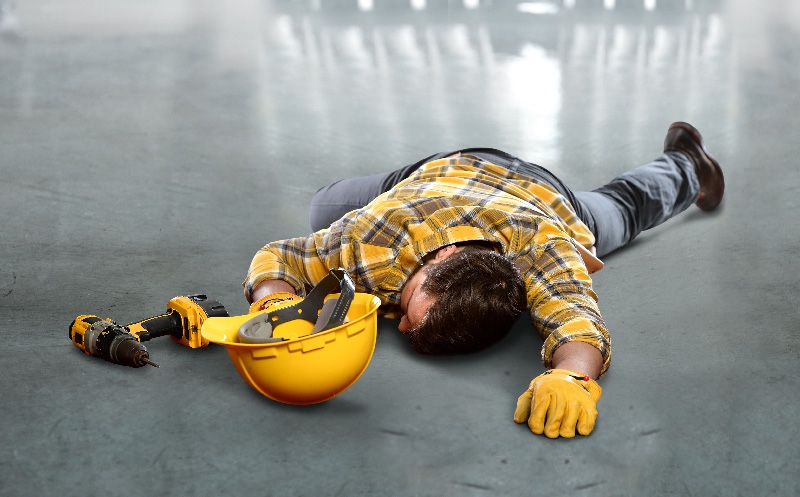
Slip Fall

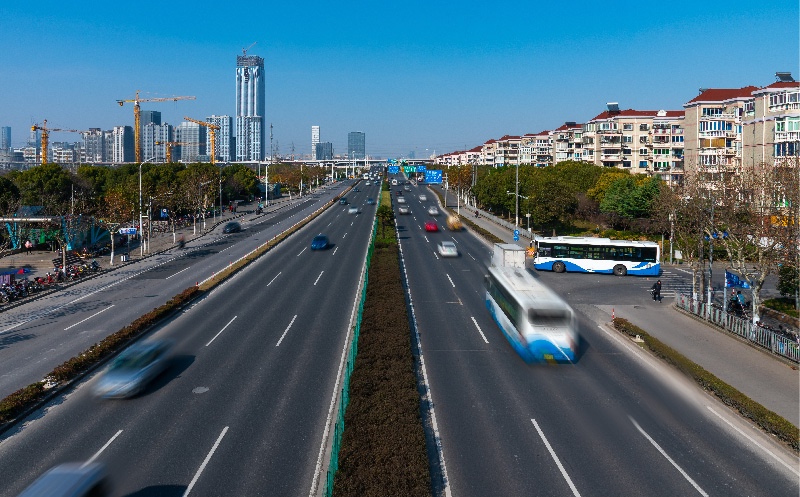
Av Speed

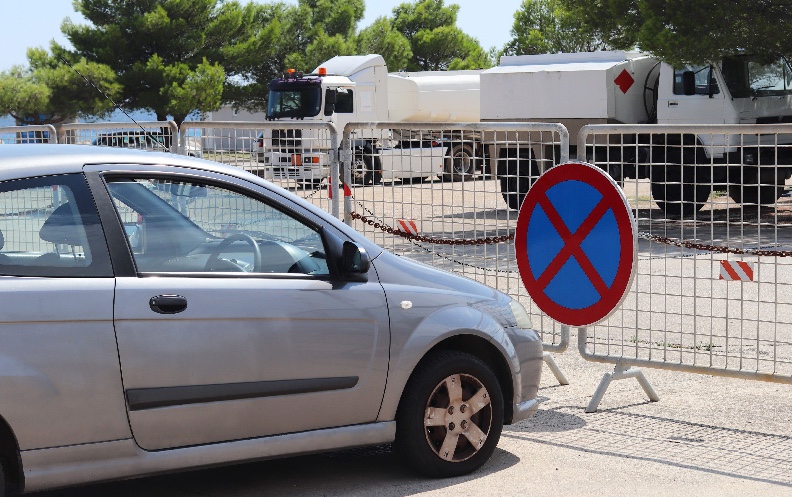
Stationary Vehicle

Wrong Way

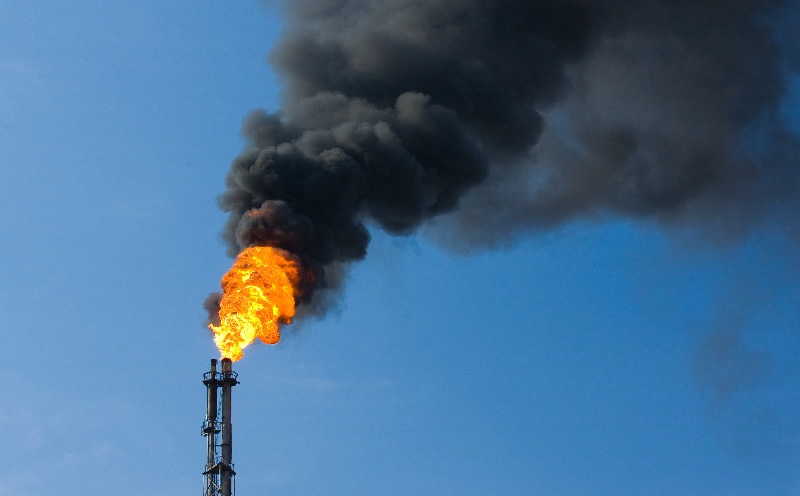
Smoke Fire

Parking Lot

Lack Refill

Thermal

Light On

PTZ Stand Alone

Objects Recognition

Forensic

Custom

Specifiche
Specifiche Tecniche
System architecture
- Modular, scalable, and hardware-independent software architecture, available for Microsoft
Windows o.s. - Incorporating the most advanced self-adaptive algorithms based on Self-Learning Background
Modeling and Multi-Target Tracking, ensuring robust and reliable performance under variable
environmental conditions (e.g., atmospheric phenomena, vegetation movement, lighting
changes, sand, WDR artifacts, camera noise) - Employing AI / Deep Learning-based modules for advanced detection and classification of specific
target categories, operable on GPU and/or CPU architectures - Custom training of AI / Deep Learning-based models for specific target classes and environmental
conditions, available for high-end applications beyond standard configurations - Acquisition sources:
o IP cameras (optical or thermal), via RTSP protocols, with supported encoding formats:
MJPEG, MPEG-2, MPEG-4, H.264 / AVC, H.265 / HEVC
o Analog cameras (optical or thermal), via video encoders or hybrid NVR / DVR systems
supporting RTSP and standard encoding formats
o Compatible VMS / DVR / NVR platforms
o Video files in standard formats: (e.g., AVI, MKV, ASF, MPG, MOV)
o Static JPEG images
o USB or integrated webcams
o Thermographic sensors via GenICam protocol - Real-time automated notifications via:
o TechnoAware CentralManager client (local or remote)
o Compatible VMS/DVR/NVR platforms
o Digital I/O interfaces via Modbus protocol
o Customizable strings or dynamic XML via HTTP / HTTPS / TCP / UDP protocols, including
requests for RESTful API interaction
o CGI-based callbacks for external notification requests
o Email with attached alarm-related image
o FTP client for saving alarm-related video clips and / or static images
o Configured Telegram accounts - Real-time and offline access to processed data via:
o TechnoAware CentralManager client (local or remote)
o VTrack WebInterface
o CGI-based API for automated XML data / images delivery via HTTP / HTTPS
o Compatible third-party platforms
o Automated periodic PDF reports, customizable upon request - Configuration and rule management via:
o External input interrupt through CGI call
o Time-based scheduling
o Manual command via CentralManager client
o Polling of external I/O status via HTTP, TCP, or Modbus protocols
o Embedded standard SQLite database for event and data storage - Support for redundant hardware architectures with active Failover (n:n and n:1 configurations)
- Operability in virtualized environments
- Edge-based version available for compatible Axis and Dahua cameras
Configuration features
- Ability to set up and manage unlimited configurations of cameras, functions, rules and
parameters, according to:
o planned timetable,
o manual trigger,
o time-based trigger,
o time duration trigger. - Ability to import/export configurations previously set up
- Ability to configure unlimited independent active rules, by drawing in the image virtual polygonal
areas or lines of any shape and size - Detection, tracking and management of unlimited targets in the scene
- For each configured active zone, ability to configure independent alarm notifications for:
o start of alarm condition,
o end of alarm condition,
o absence of alarm condition within a defined timeframe. - For each configured active zone, ability to select specific active points of the detected target
- For each configured active zone, ability to filter specific classes of targets by AI-based recognition,
specific size or color - Unlimited configurable no-processing areas, to inhibit not-of-interest areas in the image
- Unlimited configurable no-initialization areas, to filter the targets initialized where no targets of
interest are expected to appear - Manual or semi-automatic configuration of the minimum and maximum limit of target’s linear
size or area - 3D perspective management, by linear interpolation on the image or by image calibration
- Ability to configure different perspective plans according to the scenario’s morphology
- Ability to configure a parameter of time confidence for confirming each target’s detection and/or
recognition - Morphological Filter, for improving the efficiency of targets’ visibility and segmentation by shape
enhancement - Foreground Filter, for the image stabilization and for the limitation of heavy dynamic background
noise (e.g. dense vegetation, heavy rain, clouds, …), selective on specific configurable areas - Ability to enable and configure advanced parameters, such as:
o adaptive pre-filtering for the limitation of heavy noise
o specific algorithms for filtering shadows or heavy light changes
o gradient-based low-level filter, for the extraction of the contours of the scene
o automatic background reset for sudden anomalous change of the image larger than a certain
percentage
o automatic dynamic adjustment of the contrast sensitiveness, according to the variability of
the image contrast (e.g. because of night-time, under/over-exposure, fog, rain, …)
o gammaCorrection Filter for adjusting the quality of the image contrast
o target’s inhibition control by permanence time and percentage of movement - Alarm recurrency filter, for disabling the alarm notifications for a configured time after an already
notified previous one - Ability to process the acquired video stream at a lower resolution and frame rate
- Ability to crop and process independently unlimited image portions of the acquired video flow
- Ability to manage different configurations for different configured presets of a PTZ camera
- Ability to provide the position of each detected target through:
o georeferenced coordinates, by calibrating the processed cameras in the real space through
homography via GPS coordinates,
o map coordinates, by calibrating the processed cameras vs planar maps - VirtualAlertRule function, for configuring a notification by correlating the occurring of multiple
alarms configured on the same camera or on other cameras connected locally - Ability to configure different user profiles, allowing to enable or to inhibit the access to the
configuration of the modules
Additional diagnostic features
- Tampering module, for configuring and triggering an alarm on detection of camera obscured,
dazzled or moved for longer than a configured time - QualityCam module, for configuring and triggering an alarm on camera’s reduction of visibility
(i.e. because of dirt, or defocusing) and/or misalignment - VideoLoss function, to trigger an alarm notification in case of a loss of communication with a
video source - Active diagnostic monitoring of the main services’ working status, through:
o Watchdog function, for the automatic restart of the module in case of critical error or
eventual restart of the hardware unit
o HeartBeat function, for the periodical notification of the correct working of the module to
an external device
o CheckConfig function, for checking by a html/xml request the status of the active
configuration
o writing and storing of log files for each main process of the module
o VTrack-Monitor Client, for configuring automatic notifications in case of misfunctioning
events of the connected VTrack modules
Requisiti Tecnici
Image and video streaming requirements
- Conditions of the target in the image for maximizing the detection performances:
o clearly visible to the naked eye in the image, even in difficult environmental conditions
(night, heavy rain, snow, fog, sun glare, reflections, artificial lights, under/overexposed
camera, obstacles, …)
o well contrasted, in order to have at least 15 levels of color difference between target’s
contours and its surrounding area
o entirely visible and well fit in the image for at least 10-15 continuous frames
o minimum target’s size:
– area of 100 visible pixels in the image, at the farthest point where the detection is
required, in case of detection not using DeepLearning-based modules (for example, a
bounding box of 5×20 pixel – 10 pixels/meter – for a person)
– area of 400 visible pixels in the image, at the farthest point where the detection is
required, in case of detection using DeepLearning-based modules (for example, a
bounding box of 10×40 pixel – 20 pixels/meter – for a person)
– area of 500 visible pixels in the image, at the farthest point where the detection is
required, in case of SmokeFire function - Minimum frame rate: 10 frames per second
- Suggested image resolution: according with the target’s minimum size requirement, as per
above.
2.3.2. Processing requirements
- Computational need (*):
o CPU: considering, as reference, a single core with 2,8GHz base speed
– up to 6 functions in parallel, processing video flows in CIF resolution (352×288) at 10
frames per second
– up to 3 functions in parallel processing video flows in VGA resolution (640×480) at 10
frames per second
– up to 2 functions in parallel processing video flows in 4CIF resolution (704×576) at 10
frames per second
– up to 2 functions in parallel processing video flows in 800×600 resolution at 8 frames per
second
– up to 1 function processing video flows in FullHD (1080p) resolution (1920×1080 or
similar) at 5 frames per second
o RAM: about 80MB for each function processed in parallel
o GPU (only in case of use of DeepLearning-based modules):
– NVIDIA, supported by CUDA SDK 11.6
– minimum 4GB RAM DDR5 or superior
– minimum compute capacity 5.0
– drivers always updated to the latest version
– for finding a complete and always updated table of the GPU which are complying the
above, see https://en.wikipedia.org/wiki/CUDA#GPUs_supported - Supported OS: Windows 10 or later
(*) These values should be considered as a purely indicative and generic reference and may vary according to the complexity of the environment, the number and kind of targets, the specific function configured and the typology of hardware used. TechnoAware strongly suggests to always contact anyway its technical support team for double-checking and validating for free the hardware meant to be used, for each project, before purchasing it.
Intrusion
Flow Counting

Area Counting
Occupancy Rate
Hot Zones
ATM
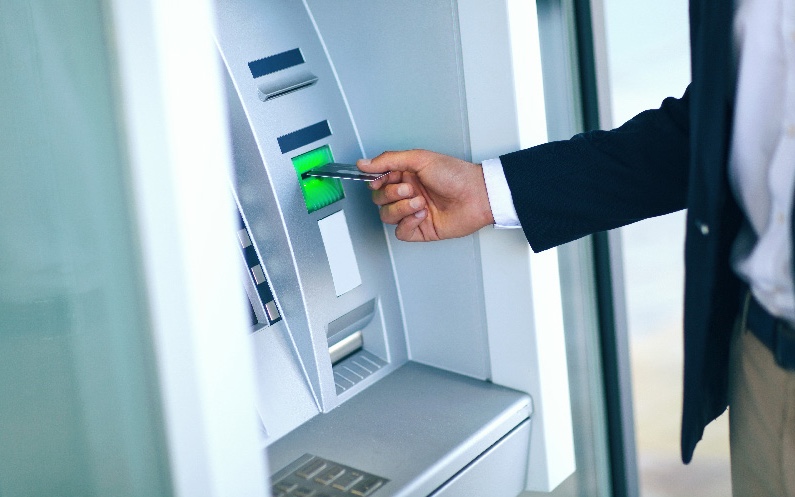
Left Object

Stolen Object
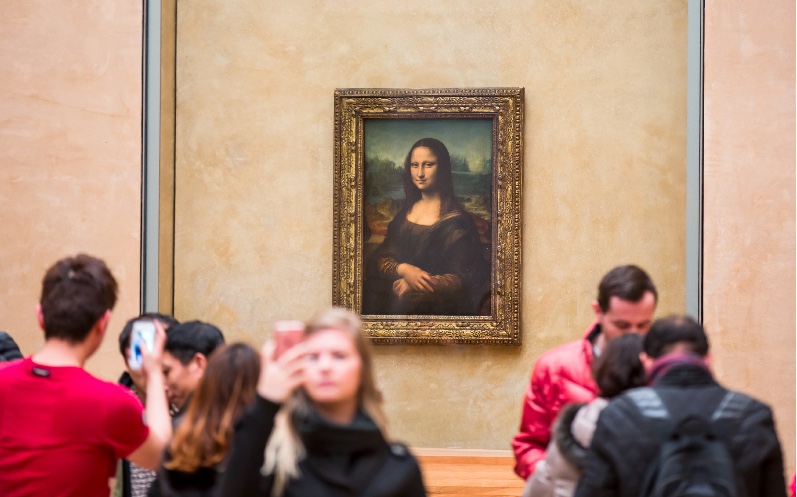
Loitering
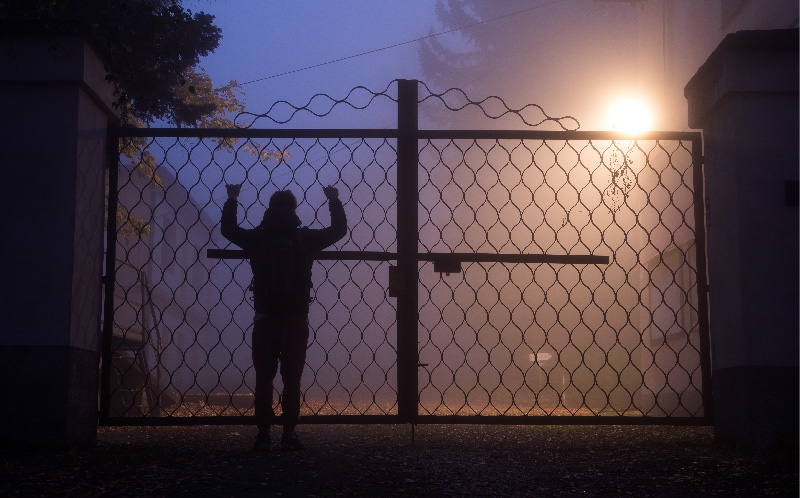
Panic Disorder
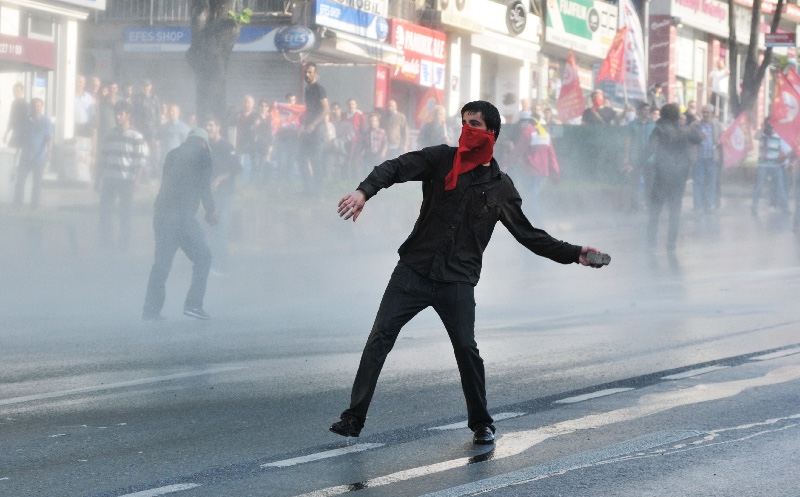
Slip Fall
Av Speed
Stationary Vehicle
Wrong Way

Smoke Fire
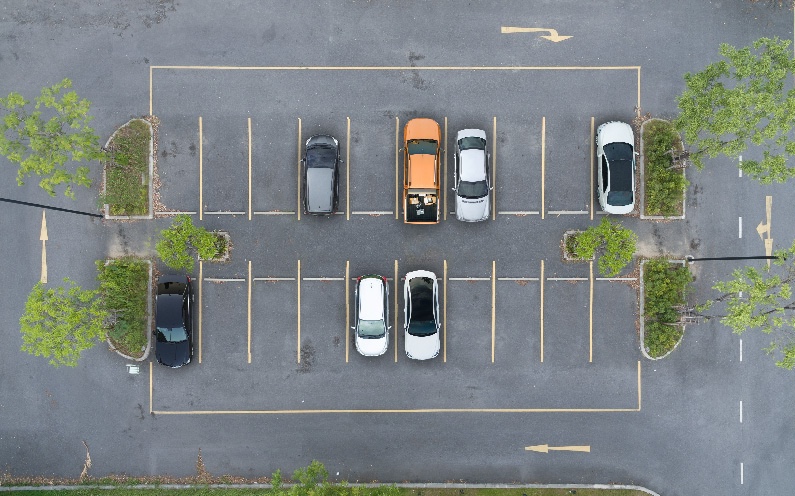
Parking Lot
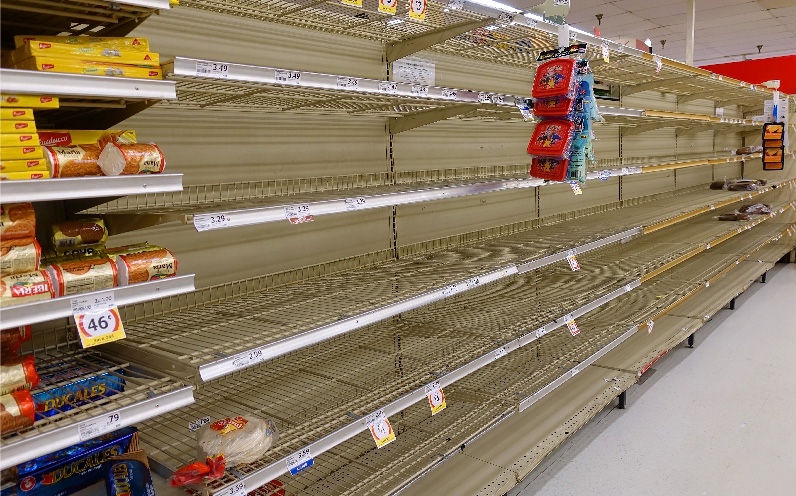
Lack Refill
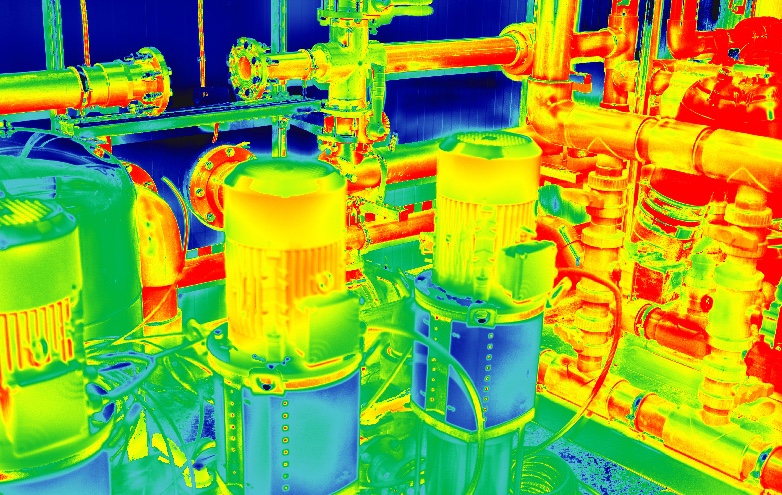
Thermal
Light On
PTZ Stand Alone
Objects Recognition

Forensic

Custom